LICENCE
A licence from age 13
Anyone 13 or older fishing for freshwater fish with a rod and line in England and Wales needs a rod licence. Juniors aged 13 to 16 get theirs free.
Check your kit doodletackle
WHAT THE RULES SAY
Freshwater fishing comes with a short rulebook.
In England and Wales it covers who needs a licence, how many rods you can fish, which lead weights are allowed and what your nets must look like. Most of it exists to protect fish and the birds that share the water.
CHECK THE BOX before you cast
Check your kitTHE SHORT ANSWER
Four things the national rules check.
Local byelaws and fishery rules can add more.
LICENCE
Anyone 13 or older fishing for freshwater fish with a rod and line in England and Wales needs a rod licence. Juniors aged 13 to 16 get theirs free.
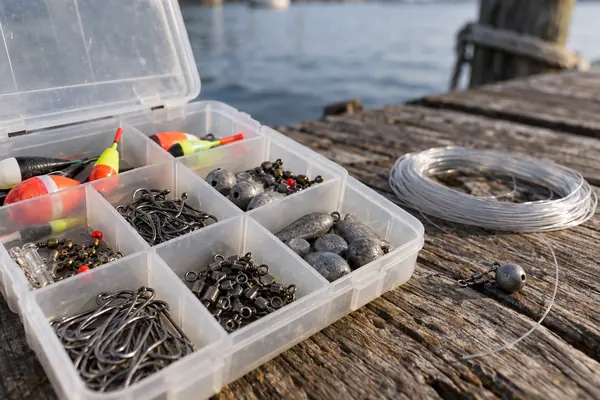
Check your kitTACKLE
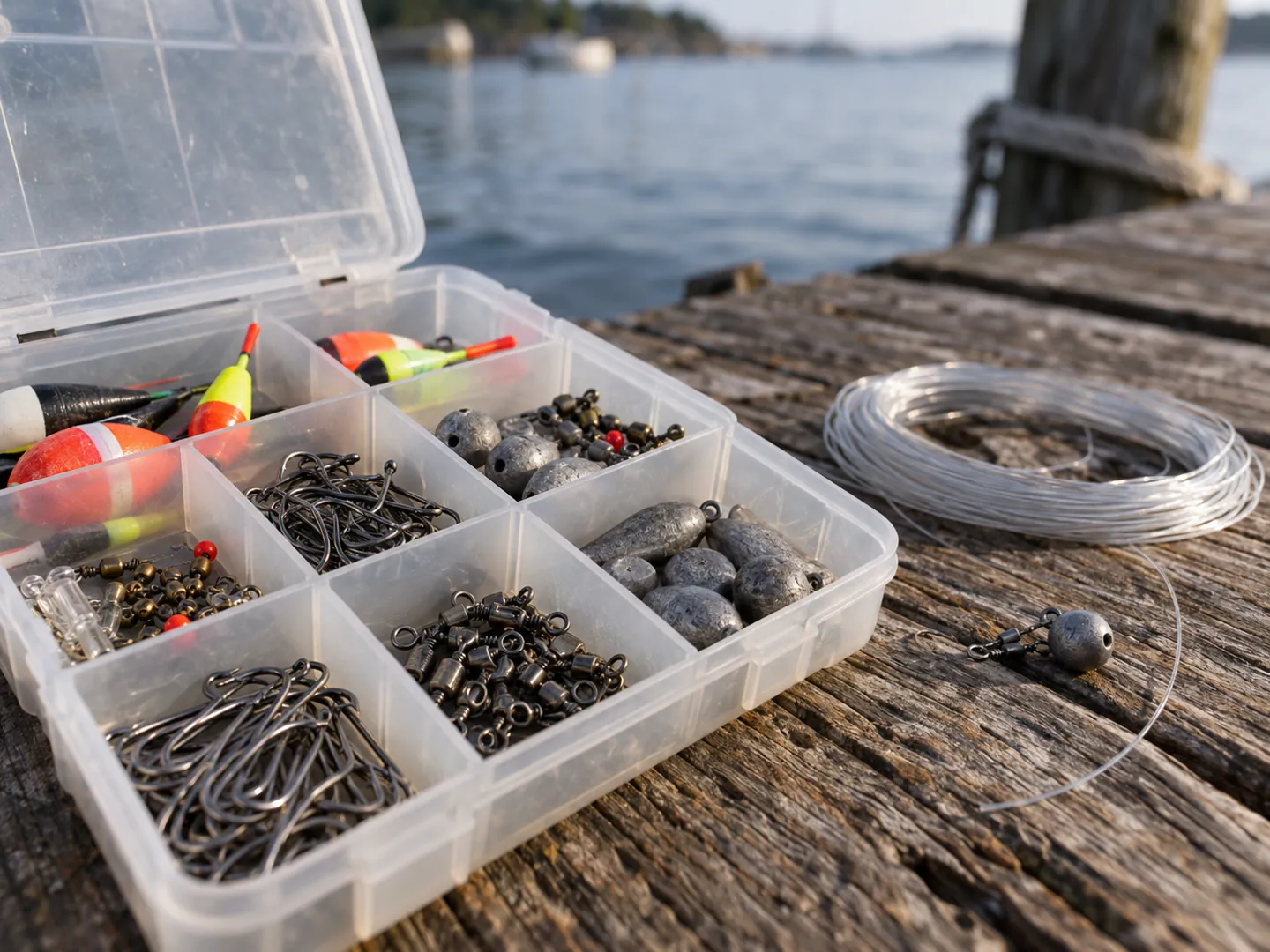
Lead weights must be 0.06 g or less, or more than 28.35 g. Keepnets need unknotted, non-metal mesh with holes smaller than 25 mm.
Before you goWILDLIFE
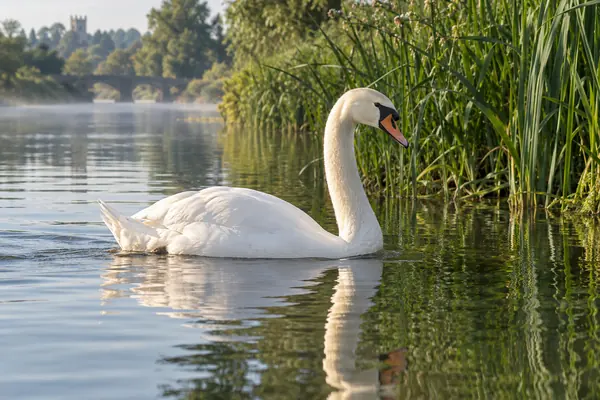
After mid-size lead weights were banned in 1987, lead poisoning fell from 34% to 6% of the mute swan deaths studied.
See the numbers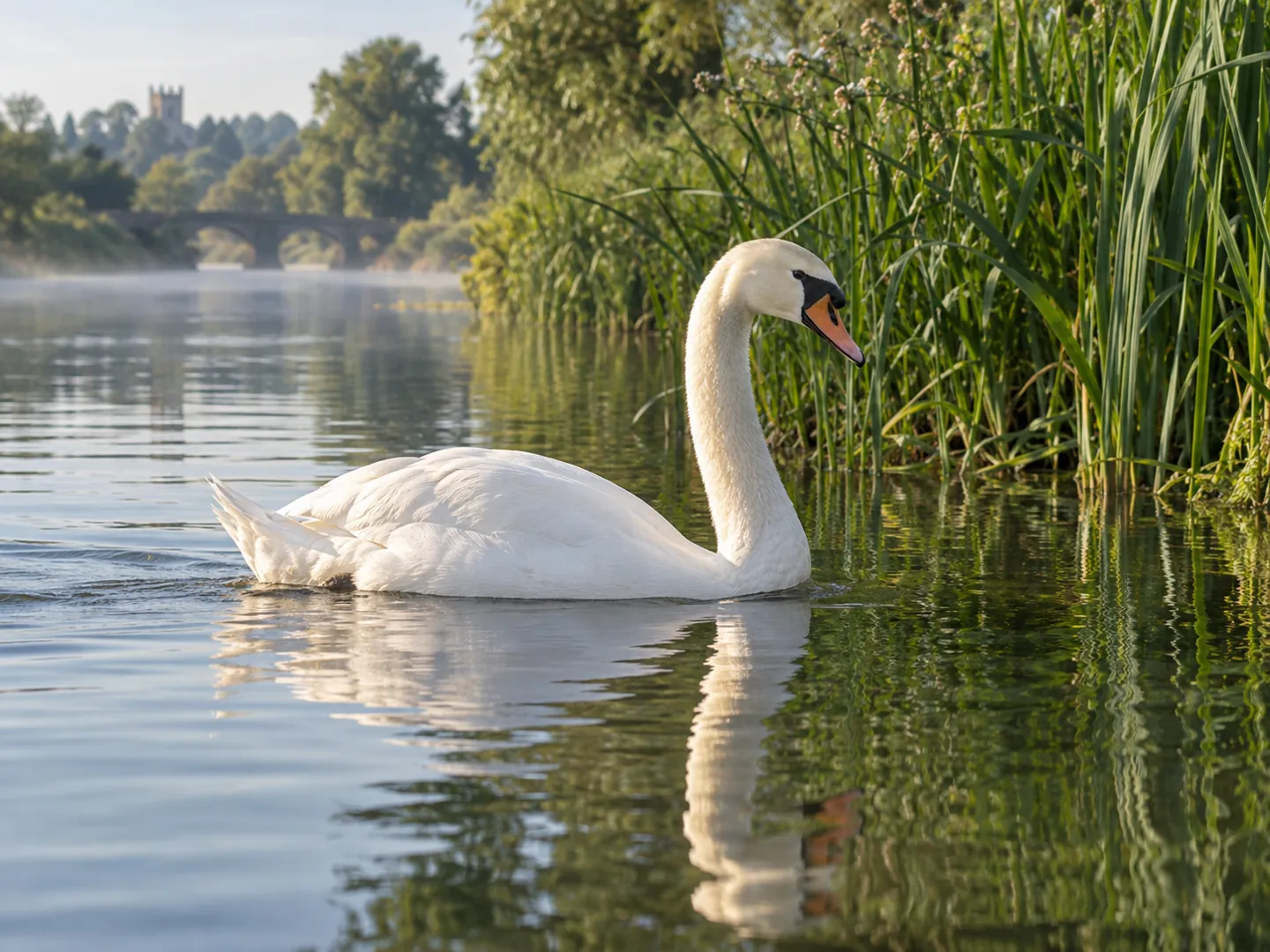
FOUR CHECKS BEFORE YOU GO
Most tackle problems are easier to fix at the kitchen table than at the water's edge. Run through these before you set off.
If you are 13 or older, have a valid rod licence and be ready to show it. You also need permission from the fishery or landowner.
Swap any lead between 0.06 g and 28.35 g for non-lead alternatives, and keep dust shot in a spill-proof tub.
Keepnets should be over 2 metres long with no knotted or metal mesh. Landing nets must have no knotted or metal mesh.
Bring a bag for old line and empty bait tins, and drop used line at a recycling point in a tackle shop or fishery.
TWO NUMBERS WORTH KNOWING
One figure on lead poisoning,
one on how the swan population recovered.
34→6%
Share of studied swan deaths caused by lead
Lead weights from 0.06 to 28.35 g, the sizes most likely to be eaten by swans, were banned across Great Britain from January 1987. Lead poisoning went from 34% of the swan deaths analysed before the rules to 6% after.
LEAD POISONING · WOOD ET AL. 2019
≈ 31,700 swans
Mute swans counted in Britain, 2002
Co-ordinated censuses counted about 17,600 mute swans in 1978 and about 31,700 in 2002. The study found the regulations explained 82% of the year-to-year variation in population size.
POPULATION · WOOD ET AL. 2019
From Wood and colleagues, Biological Conservation (2019), summarised by the British Ornithologists' Union. Lead still caused 6% of deaths, possibly from legal sizes, old weights left before the ban, non-compliance or shotgun ammunition.
A QUICK KIT CHECK
Pick an item from a typical tackle bag to see what the national freshwater rules in England say about it. The bar shows how tightly the rules restrict it.
Based on GOV.UK guidance on freshwater rod fishing rules and rod licences. Local byelaws and fishery rules can be stricter, so always check where you fish.
FISHING LITTER
The RSPCA says it receives thousands of calls every year about animals affected by fishing litter, most of them involving swans, along with ducks, geese, gulls and other waterbirds.
Its advice to anglers: never leave baited tackle unattended, take old line and spools to recycling points in tackle shops or fisheries, and recover line snagged in trees when it is safe, or tell the landowner if you cannot.
Questions
Children under 13 do not need a licence in England and Wales. Those aged 13 to 16 need a junior licence, which is free.
GOV.UK says you can be fined up to £2,500 if you are fishing and cannot show a valid licence when asked. A licence is needed on private waters such as club lakes too.
On rivers, streams and drains you cannot fish for coarse fish and eels from 15 March to 15 June. Most enclosed stillwaters and canals are open all year, though private waters can set their own close seasons.
No. The rules say it is illegal to leave a rod and line in the water unattended or without sufficient control of it.
Not unless they have hooks attached, according to GOV.UK guidance on licence types and rod limits.
Updated
ABOUT THIS NAME
doodletackle.com is part of the DoodleSale portfolio. It isn't in an auction right now, but you can ask about leasing it.